Editorial links from major publications carry more ranking weight than dozens of outreach-placed links, and digital PR is the most reliable method for earning them at scale. Journalists link to data studies, expert commentary, and original research because these assets add value to their stories. Having built digital PR campaigns for SaaS and iGaming brands, I have seen single data studies generate 40+ linking root domains, each carrying editorial trust that no outreach template can replicate.
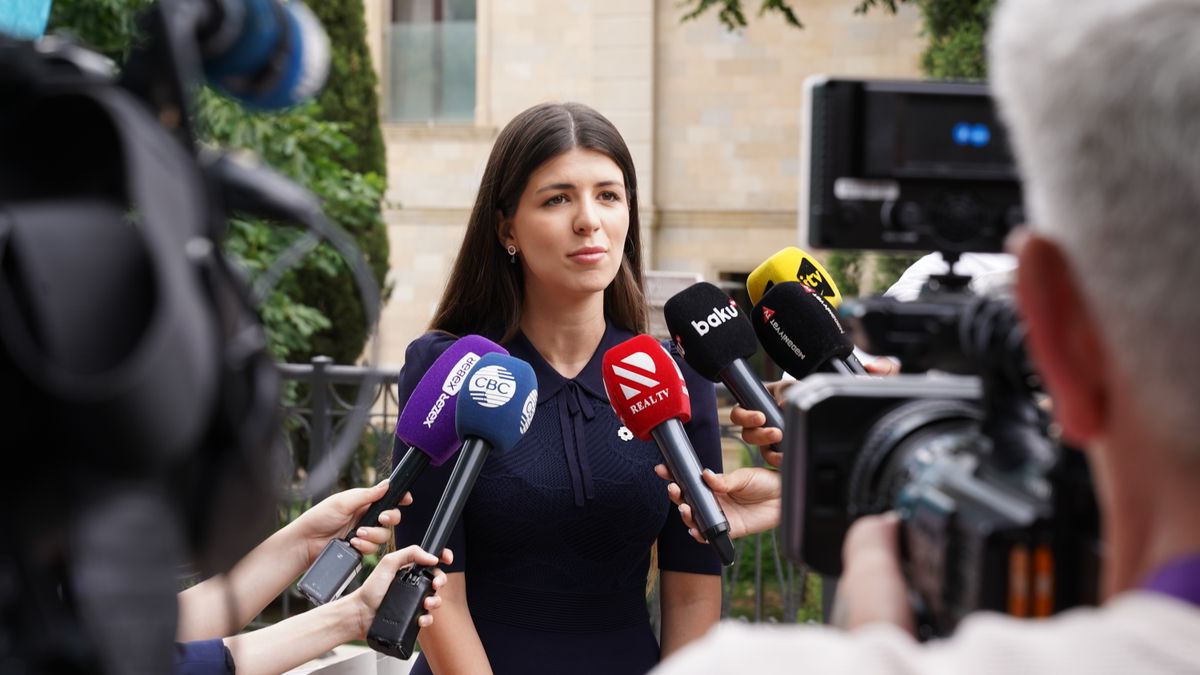
Digital PR for SEO is the practice of earning backlinks and brand mentions through media coverage, using newsworthy content, data-driven stories, and expert commentary to attract editorial links from journalists and publishers. Unlike traditional PR, which prioritizes brand messaging and audience reach, digital PR optimizes specifically for link acquisition, domain authority growth, and organic search visibility.
The following table distinguishes digital PR from traditional PR across key dimensions.
| Dimension | Traditional PR | Digital PR for SEO |
|---|---|---|
| Primary goal | Brand awareness and reputation | Link acquisition and organic visibility |
| Success metric | Media impressions and sentiment | Referring domains and domain authority growth |
| Content format | Press releases and media kits | Data studies, surveys, expert commentary |
| Target publications | Broadcast and print media | Online publications with high domain authority |
| Measurement | Advertising value equivalency | Backlink profile growth and ranking improvements |
What Makes Digital PR Different from Traditional Link Building
Digital PR earns links through editorial merit rather than direct outreach requesting a link. Journalists link to digital PR content because the content provides value to their story, not because someone asked them to add a link. This distinction matters because Google’s algorithms assign higher trust to editorially motivated links.
The Editorial Link Advantage
Editorially placed links from news publications carry multiple ranking advantages: high domain authority, contextual relevance, prominent placement within article body text, and natural anchor text variation. A single link from a major news outlet can carry more ranking influence than dozens of links from lower-authority sites.
How Digital PR Supports E-E-A-T
Media coverage creates authority signals that Google’s systems can verify. When a recognized publication cites an expert or references a company’s research, that citation establishes authoritativeness for E-E-A-T evaluation purposes.
Data Studies and Original Research as PR Assets
Data studies are the highest-performing digital PR format for link acquisition. Original research produces findings that journalists cannot get elsewhere, creating a compelling reason to link to the source.
Types of Data Studies That Earn Coverage
| Study Type | Data Source | Example |
|---|---|---|
| Industry benchmark | Internal proprietary data | “Average conversion rates across 500 SaaS companies” |
| Survey research | Panel or audience survey | “Consumer attitudes toward AI-generated content” |
| Public data analysis | Government or open datasets | “Housing affordability index by city, 2025-2026” |
| Competitive analysis | Publicly available competitor data | “How Fortune 500 companies use schema markup” |
Building a Data Study for Maximum Coverage
- Choose a topic with active journalist interest (check recent coverage patterns).
- Collect or analyze data using a documented, defensible methodology.
- Extract three to five newsworthy findings that challenge assumptions or reveal trends.
- Create supporting visualizations that publications can embed.
- Write a methodology section that establishes credibility.
- Pitch findings to journalists before publishing the full study.
Newsjacking and Reactive PR for Link Building
Newsjacking involves inserting expert commentary or data into breaking news stories. Reactive PR requires monitoring news cycles and responding within hours with relevant expert perspectives.
Effective Newsjacking Execution
Speed determines success. Journalists working on trending stories need expert sources immediately. Having pre-approved spokesperson quotes, relevant data points, and a media contact list prepared in advance reduces response time from hours to minutes.
Monitoring for Newsjacking Opportunities
Google Alerts, Talkwalker Alerts, and social listening tools identify emerging stories relevant to your expertise area. Monitoring competitor coverage reveals which journalists cover your industry and what angles interest them.
Link building strategies that combine proactive digital PR campaigns with reactive newsjacking produce consistent link acquisition throughout the year.
Expert Commentary and Source Platforms
Expert commentary platforms such as HARO (Connectively), Qwoted, and Help a B2B Writer connect journalists with qualified sources. Responding to journalist queries with substantive, quotable commentary earns contextual links from articles covering your area of expertise.
Maximizing Response Effectiveness
- Respond within two hours of the query posting.
- Lead with a specific, quotable statement rather than background information.
- Include one supporting data point or case study reference.
- Provide credentials that establish qualification for the topic.
- Offer availability for follow-up questions.
Building Direct Journalist Relationships
Consistent, high-quality responses on platforms build name recognition with journalists. Over time, journalists contact reliable sources directly, bypassing platform intermediaries. These direct relationships produce higher-placement links and more frequent coverage.
SaaS companies and iGaming operators benefit particularly from expert commentary because both industries generate frequent news coverage and journalist demand for qualified sources.
Measuring Digital PR Impact on SEO
Measuring digital PR’s SEO impact requires tracking metrics across link acquisition, ranking changes, and organic traffic growth. Attributing ranking improvements to specific PR activities is complex because links interact with content quality, technical health, and other ranking signals.
Key Metrics for Digital PR Measurement
| Metric | Tool | What It Measures |
|---|---|---|
| New referring domains | Ahrefs, Moz, SEMrush | Link acquisition volume |
| Domain authority/rating | Ahrefs DR, Moz DA | Overall backlink profile strength |
| Organic traffic growth | Google Search Console, GA4 | Search visibility improvement |
| Keyword ranking changes | SEMrush, Ahrefs Rank Tracker | Ranking impact of new links |
| Brand search volume | Google Trends, GSC | Brand awareness from coverage |
Attribution Challenges
A ranking improvement following a digital PR campaign may result from the acquired links, the brand mentions, the increased branded search volume, or a combination of all three. Isolating the link contribution requires controlling for other variables such as content changes, technical updates, and algorithm shifts.
Regular SEO consulting reviews help attribute performance changes accurately and adjust PR strategy based on measured outcomes.
Earning Links That Algorithms Cannot Devalue
Digital PR produces the highest-quality backlink profile because every link results from an editorial decision, not a transactional exchange. The investment in original research, journalist relationships, and expert positioning pays compounding dividends as those editorial links continue passing authority for years. For businesses ready to build a digital PR pipeline that feeds consistent link acquisition, Start with the SEO Growth Audit to get a prioritized roadmap for your site.
Digital PR now does double duty. Unlinked brand mentions are one of the strongest levers for visibility in AI answers, where the mention itself is the asset rather than the link. See AI search optimization.
Why Most Digital PR Earns Coverage but No Links
Digital PR fails in a specific and expensive way: it gets the mention and misses the link, or gets the link and misses the relevance.
- A story with no data – Journalists cite numbers, not opinions. A pitch without a defensible statistic behind it is a press release, and press releases do not earn editorial links.
- Pitching everyone the same angle – Mass outreach with one generic hook gets ignored at scale. The campaigns that land are built around what a specific publication’s readers actually care about.
- Coverage without a link – Being mentioned is good for AI visibility, but if the SEO goal was a link, an unlinked brand mention in a major outlet is a near-miss that most reporting counts as a win anyway.
- Relevance sacrificed for authority – A high-DR link from a publication with no topical connection to your market does less than a modest link from one your buyers read.
The digital PR that has worked for me repeatedly starts from data only my client could produce, then finds the small number of outlets whose audience genuinely wants it. Slower, and it earns links that survive updates.
FAQ
How many linking root domains should a digital PR campaign generate?
Campaign link volume depends on the story’s newsworthiness, pitch quality, and target publication tier. A well-executed data study targeting national and industry publications typically generates 15 to 50 linking root domains from a single campaign. Niche vertical campaigns may produce 5 to 20 highly relevant links, but those links often carry stronger topical relevance signals than broader placements.
What does a digital PR campaign cost compared to traditional link building?
Digital PR campaigns require higher upfront investment due to research, data analysis, content creation, and journalist outreach costs. Per-link cost typically ranges from €200 to €1,500 depending on scope and target publications. Traditional outreach-based link building costs €100 to €500 per link but produces lower-authority placements. The editorial trust signal from PR-earned links typically justifies the premium.
Can small businesses with limited budgets use digital PR effectively?
Small businesses can leverage digital PR by mining unique data they already possess, offering expert commentary through platforms like HARO/Connectively, and targeting niche industry publications rather than national media. A local business analyzing regional market data or a specialist sharing industry-specific insights can earn coverage from publications that larger competitors overlook. Local data studies and regional expertise pitches consistently outperform generic national campaigns for smaller brands.
How long does a digital PR campaign take from concept to published coverage?
A complete digital PR campaign cycle runs four to eight weeks from initial concept through published coverage. Research and data analysis require one to two weeks. Content creation and visualization take another one to two weeks. Journalist outreach and follow-up span two to four weeks. Reactive PR (newsjacking and expert commentary) can produce coverage within days when pre-approved quotes and media contacts are prepared in advance.
How do you measure whether digital PR links are actually improving rankings?
Isolating digital PR’s ranking impact requires controlling for concurrent changes in content, technical SEO, and algorithm updates. Track new referring domains acquired through PR campaigns, then monitor keyword ranking changes and organic traffic growth for the pages those links point to over a 60 to 90-day window. Brand search volume increases measured through Google Trends and Search Console provide an additional attribution signal that captures the authority effect beyond direct link value.